Pope Leo XIV’s recent lung cancer diagnosis has put a global spotlight on a disease that often develops without warning—and to the critical importance of finding it early. His experience offers a hopeful example of how timely detection can lead to more treatment options and better outcomes.
At 71, Pope Leo underwent surgery on October 13 after doctors discovered a suspicious spot, or nodule, in his lung during a routine medical examination. Tests confirmed lung cancer, but fortunately, the disease had not spread. Following surgery, Vatican officials announced that no additional cancer treatment was needed.
For a disease that often progresses unnoticed, the Pope’s experience carries a powerful message—finding lung cancer early can change everything.
The Critical Need for Early Lung Cancer Detection

Lung cancer is the leading cause of cancer-related deaths in the U.S. and globally mainly because the disease is diagnosed at late stages when it has spread to other parts of the body.
Fortunately, early detection can help find lung cancer before symptoms appear.
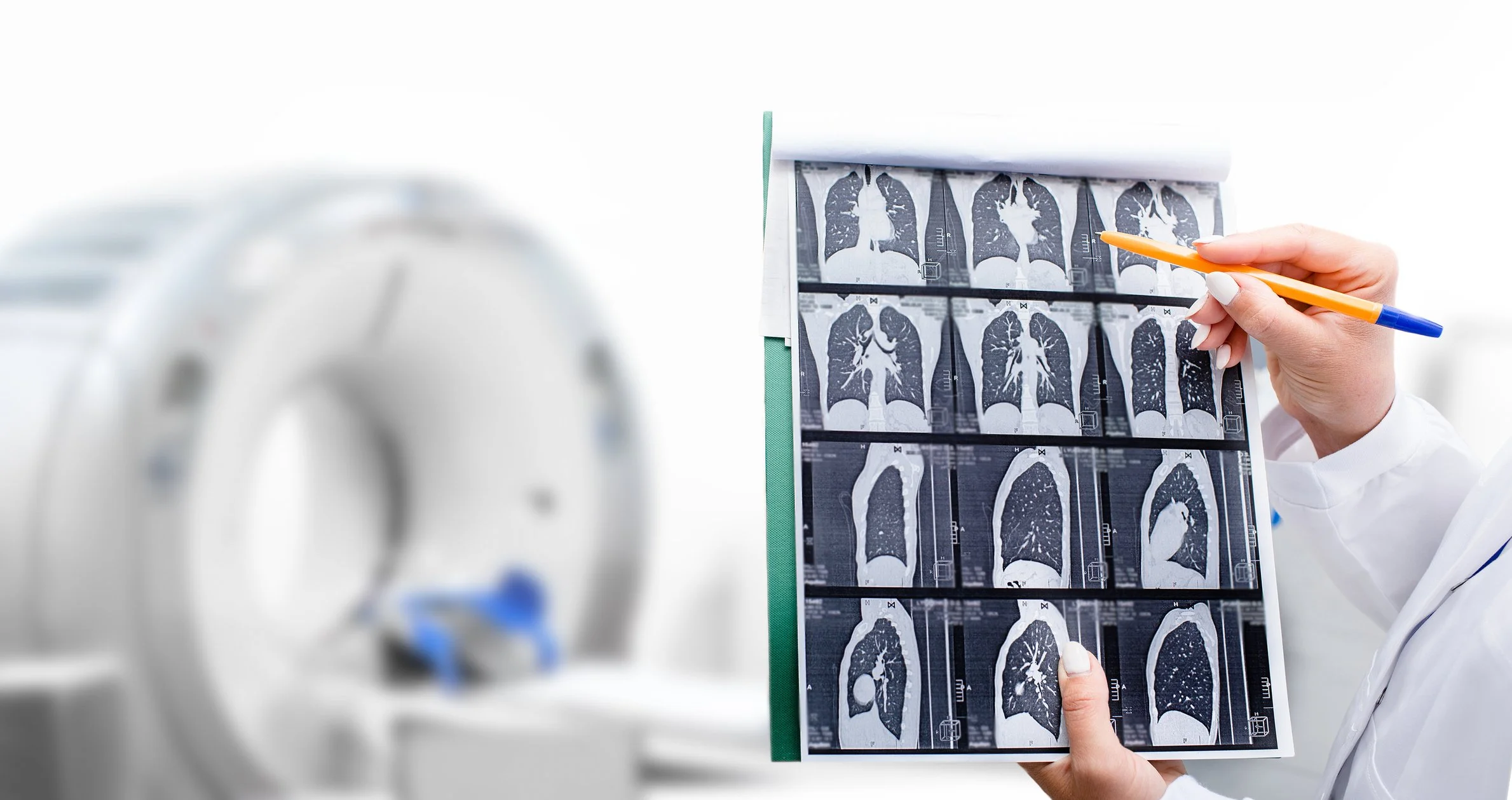
The U.S. Preventive Services Task Force (USPSTF) recommends annual lung cancer screening using low-dose CT scans for adults who:
Are 50-80 years old.
Have a smoking history of at least 20 pack-years (equivalent to one pack daily for 20 years).
Currently smoke or quit within the past 15 years.
But an important challenge remains—what happens when a scan reveals a suspicious lung nodule?
The CIZ1B Biomarker Blood Test Could Provide Answers
Most lung nodules are not cancerous. But discovering one can create tremendous anxiety and uncertainty for patients and their families.
That’s where emerging blood-based biomarker tests, such as Cizzle Bio’s CIZ1B Biomarker Blood Test for Lung Cancer, could play an important role.
CIZ1B detects a protein variant associated with early-stage lung cancer using a simple blood sample of less than a tablespoon.
Designed to complement existing imaging and physician evaluations, the test may provide additional information to help doctors assess suspicious nodules and determine appropriate next steps.
CIZ1B is not a replacement for recommended lung cancer screening, imaging, or a definitive diagnosis. Rather it represents a promising additional biomarker tool that may help detect lung cancer earlier, when treatment is most effective.
Turning Awareness Into Action
Pope Leo’s experience is a hopeful reminder of what is possible when lung cancer is discovered before it spreads.
The message is simple—know your risk, discuss screening with your doctor, and never underestimate the power of early detection.
November is Lung Cancer Awareness Month—a reminder that early detection can make a lifesaving difference. Take time to learn about your risk factors, understand the importance of recommended lung cancer screening, and encourage loved ones to do the same. Greater awareness and timely conversations with healthcare providers can help identify lung cancer earlier, when treatment may be most effective.
To learn more about the CIZ1B Biomarker Blood Test for Lung Cancer and its potential role in early detection, visit www.cizzlebio.com.
Sources
Morning Keys: Leo needs no further cancer treatment - Where Peter Is
Final Recommendation Statement: Lung Cancer: Screening | United States Preventive Services Taskforce