Should You Be Screened for Lung Cancer?
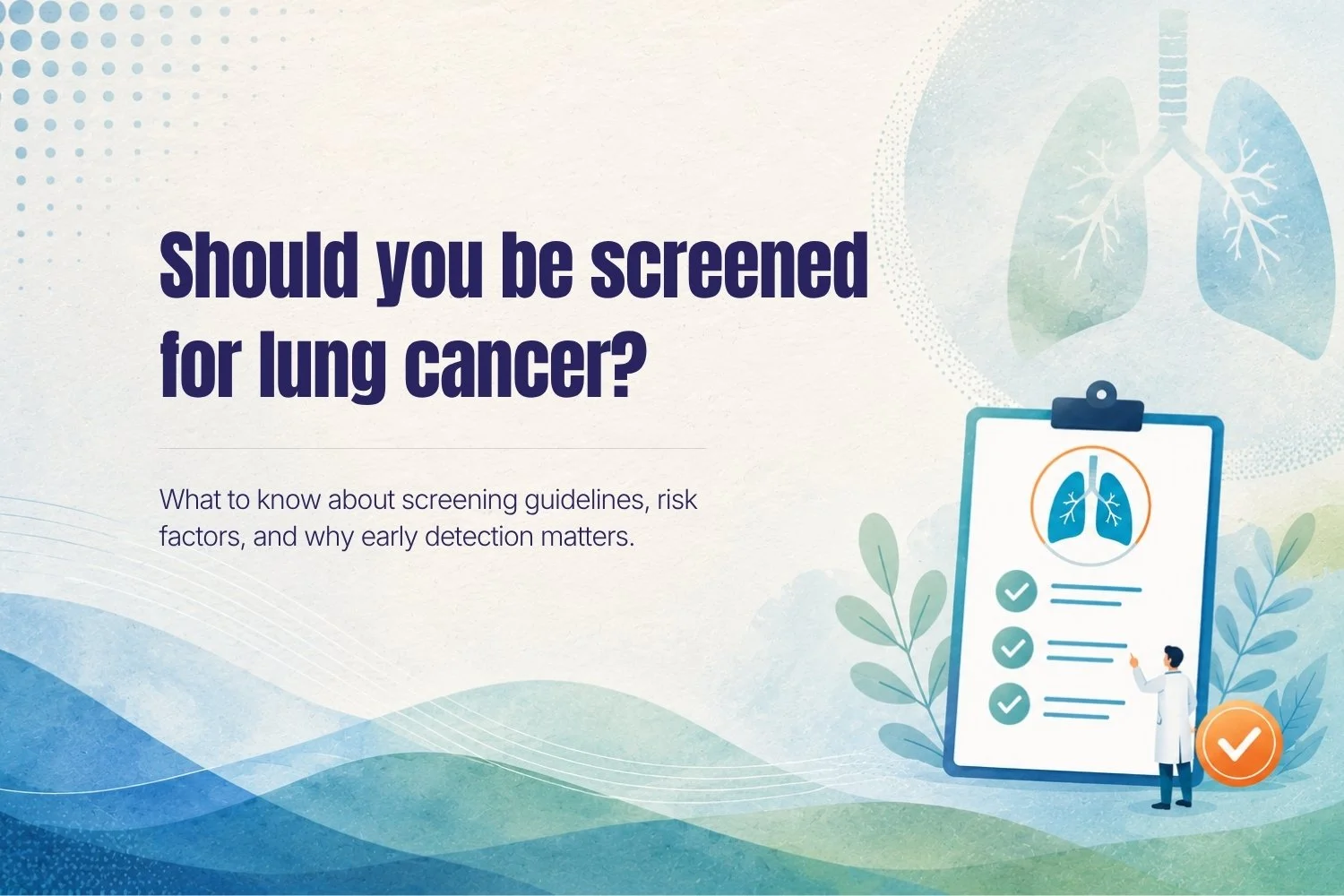
Lung cancer is the leading cause of cancer-related deaths in the United States and globally. The good news? When it’s found early, more treatment options are available, and lives can be saved.
The question you may be asking is: Should I be screened?
The answer depends on your personal risk factors. Understanding those risks is the first step toward protecting your health.
Who Should Be Screened?

The U.S. Preventive Services Task Force (USPSTF) gives clear, evidence-based recommendations for lung cancer screening. They advise annual screening with low-dose CT (LDCT) for people who:
Are ages 50 to 80
Have a 20-year pack-year smoking history (for example, one pack a day for 20 years)
Currently smoke or have quit within the past 15 years
LDCT scans can detect lung cancer at earlier stages, when treatment can be more effective.
You May Still Be at Risk for Lung Cancer—Even If You Don’t Fit the Guidelines

While smoking history is the most well-known risk factor, it’s not the only one. Research shows that lung cancer risk can also increase due to environmental exposures, occupational hazards, and underlying health conditions.
You may be at higher risk if you have:
Exposure to radon gas (a leading cause of lung cancer in non-smokers)
Exposure to asbestos or other carcinogens
Long-term exposure to air pollution, especially fine particulate matter
A family history of lung cancer
A personal history of chronic lung disease (such as COPD or pulmonary fibrosis)
Occupational risks, including firefighting
Studies from organizations like the American Lung Association and the National Cancer Institute continue to show that these factors can increase risk—even among people who have never smoked.
That means some individuals may benefit from talking with their doctor about screening, even if they don’t meet traditional criteria.
The Power of Early Detection
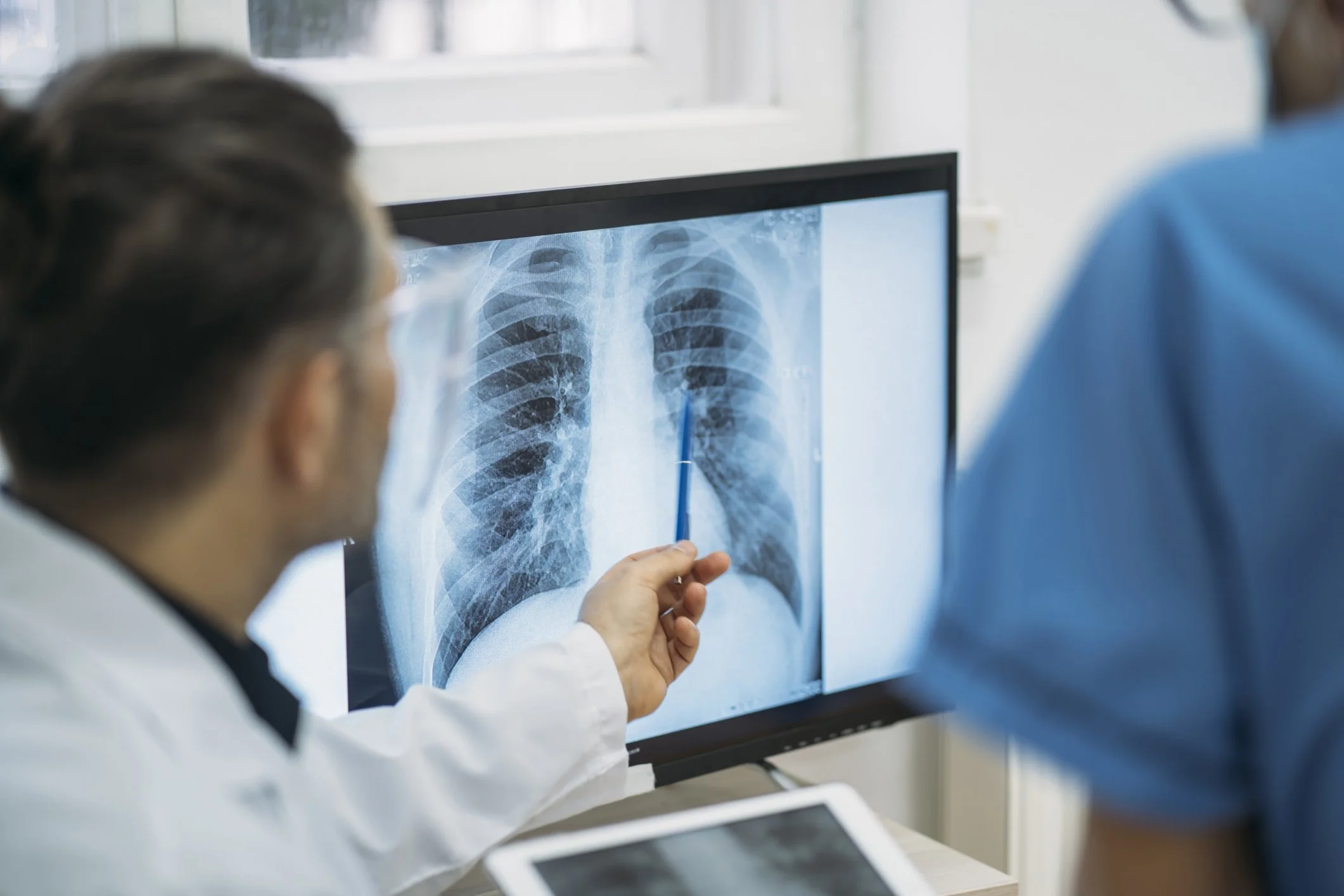
Lung cancer often develops silently. By the time symptoms appear, the disease may already be advanced. Early detection changes that.
When lung cancer is found at an early stage:
More treatment options are available
Outcomes are significantly improved
Survival rates increase dramatically
That’s why screening—and new innovations in detection—are so important.
CIZ1B—A New Approach to Early Detection

At Cizzle Bio, we are advancing a new generation of tools designed to support earlier and more accessible detection.
Our CIZ1B biomarker blood test is a groundbreaking, minimally invasive approach that detects a tumor-associated protein, called CIZ1B, linked to early-stage lung cancer. Unlike traditional screening methods alone, this simple blood test is designed to:
Help identify lung cancer earlier (Stage I)
Support clinical decision-making
Complement existing screening tools like LDCT
The CIZ1B test is not a replacement for recommended screening. Instead, it’s a complement to standard diagnostic pathways, helping physicians and patients gain additional insight when it matters most.
The test will be available soon to licensed U.S. healthcare providers through our CLIA-certified laboratory partners.
Take the Next Step
If you think you may be at risk for lung cancer—whether due to smoking history, environmental exposures, or other factors—don’t wait to take action.
Talk with your healthcare provider about your risk
Ask whether lung cancer screening is right for you.
Stay informed about emerging tools like the CIZ1B biomarker blood test.
Because when it comes to lung cancer, early detection can make all the difference—and your health is worth the conversation.
For more information about our innovative CIZ1B biomarker blood test, coming soon to U.S. healthcare providers, please visit: www.cizzlebio.com