
Smoking History Matters in Lung Cancer Treatment, and So Does Earlier Detection
When most people think about smoking and lung cancer, they often assume the connection is simple, smoking raises risk, and that is the end of the story. But emerging research suggests that the relationship may be more complex. Smoking history may also influence treatment outcomes for people with lung cancer, adding to the urgency of detecting the disease as early as possible.
This growing body of research is creating new conversations about treatment success, risk, and why earlier detection matters so much.
Why Smoking History Still Matters

Smoking has long been recognized as one of the most important risk factors for lung cancer. But new findings suggest it may also affect how patients fare after diagnosis, even within the same stage of disease.
In a recent analysis highlighted by the American Society of Clinical Oncology (ASCO), researchers found that current and former smokers had worse overall survival than never-smokers across multiple lung cancer stages. The study also suggested that in some cases, smokers in one stage had outcomes similar to never-smokers in the next higher stage.
These findings reinforce an important reality—lung cancer is not one-size-fits-all. A patient’s smoking history may still carry important clinical meaning, even after diagnosis.
What This Could Mean for Patients and Clinicians
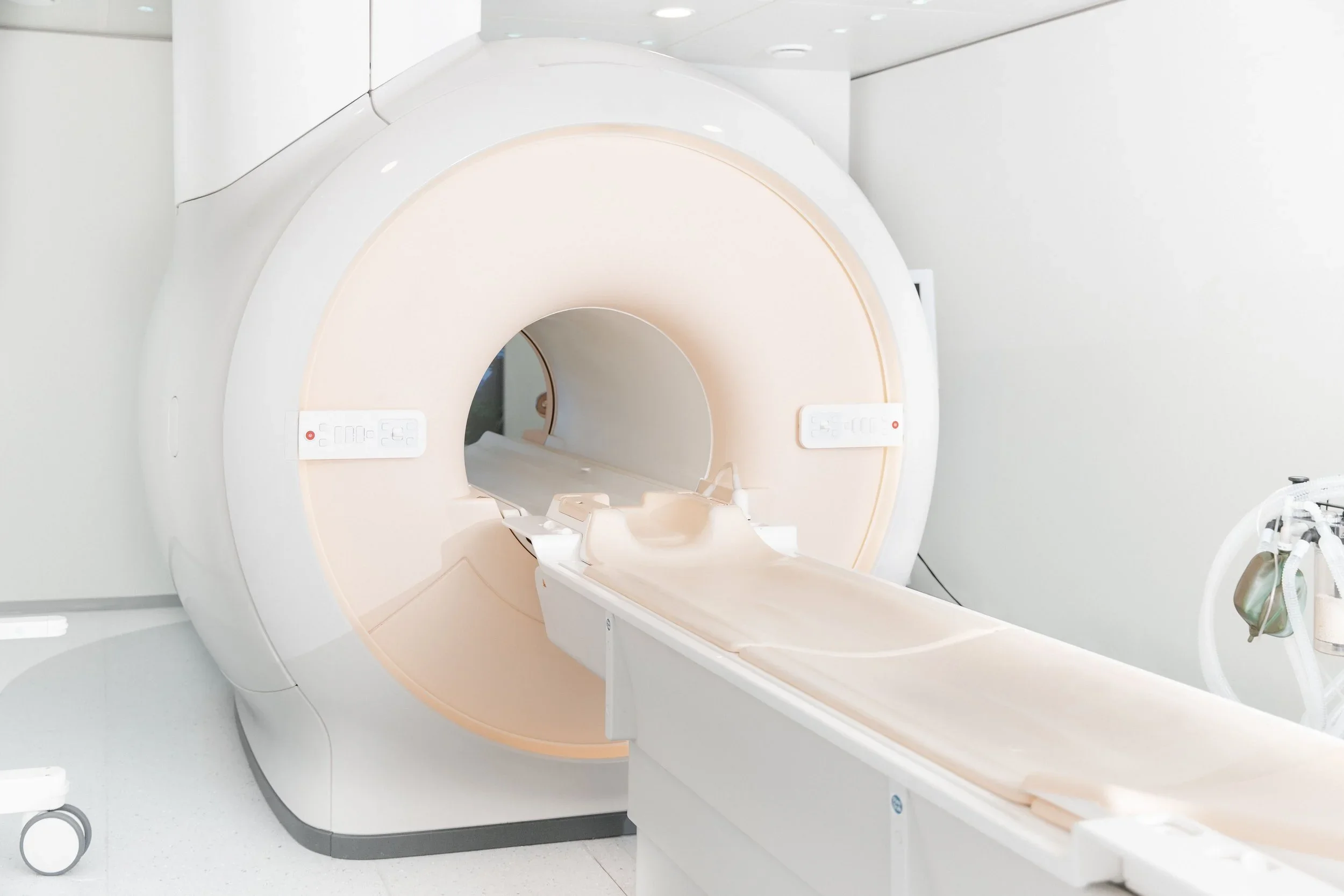
For patients, these findings are another reminder that lung cancer risk should never be dismissed or oversimplified. Smoking history matters, but so does how quickly the disease is found and evaluated.
For clinicians, this research underscores the importance of having tools that support early detection and clearer decision-making, especially when imaging findings raise concern and next steps need to be determined.
Several challenges continue to stand in the way of earlier diagnosis:
Many patients are still diagnosed after the disease has already progressed.
Lung cancer screening uptake with low-dose CT (LDCT) remains low, even among eligible high-risk individuals.
Imaging alone can leave uncertainty, especially when findings are indeterminate or require follow-up.
Delays in diagnosis can narrow treatment options and add stress for patients and families.
Why Earlier Detection Is So Important

The earlier lung cancer is found, the greater the opportunity to intervene when treatment may be more effective. That is why improving early detection remains such an important goal in lung cancer care.
While smoking history is a critical part of risk assessment, it should be part of a broader effort to identify disease sooner and reduce the number of patients diagnosed at later stages.
Earlier detection is not just about finding cancer. It is about giving patients and physicians better information sooner.
A Biomarker Blood Test Designed to Support Earlier Detection
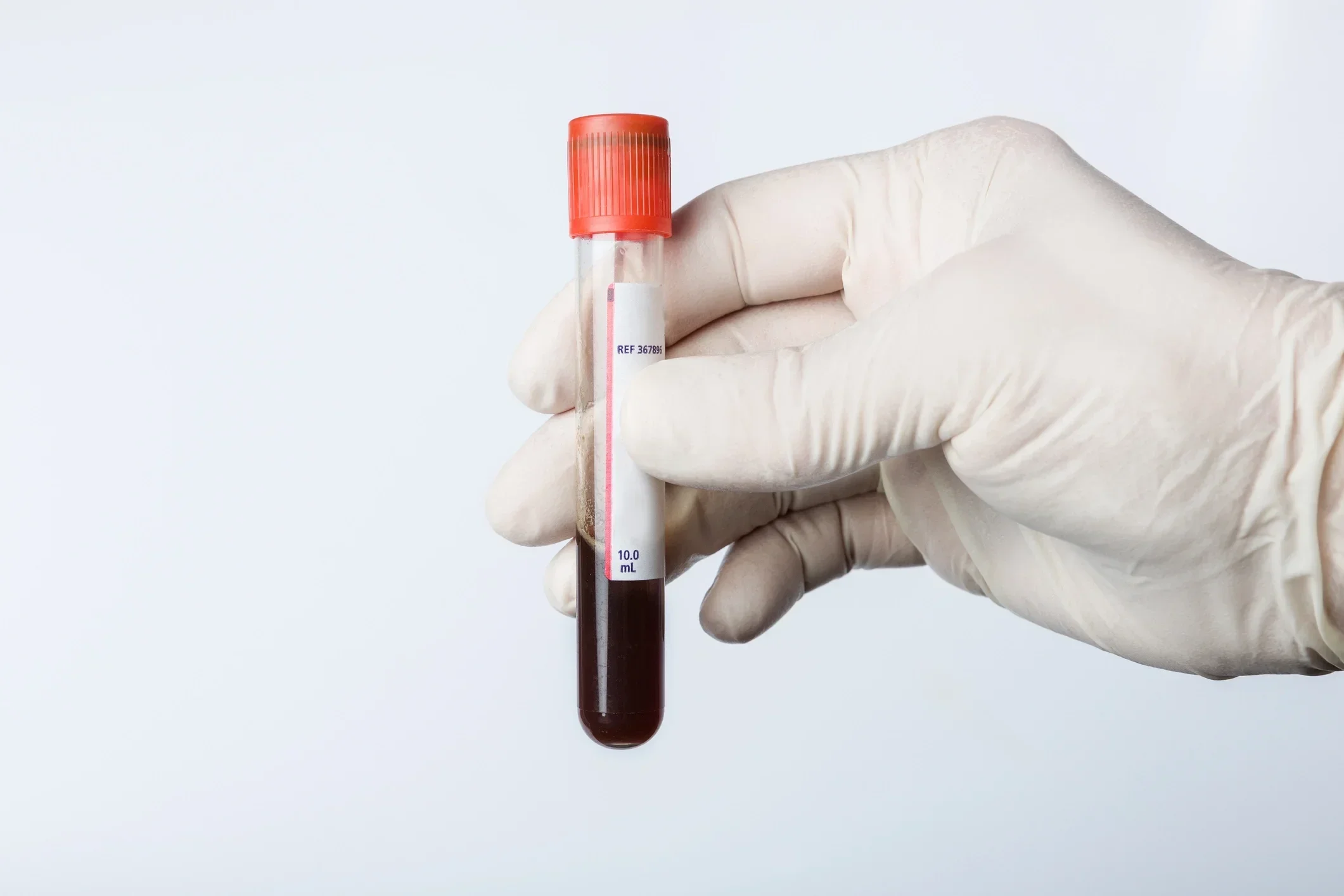
At Cizzle Bio, we recognize the urgent need for practical tools that can help support earlier lung cancer detection in real-world clinical settings.
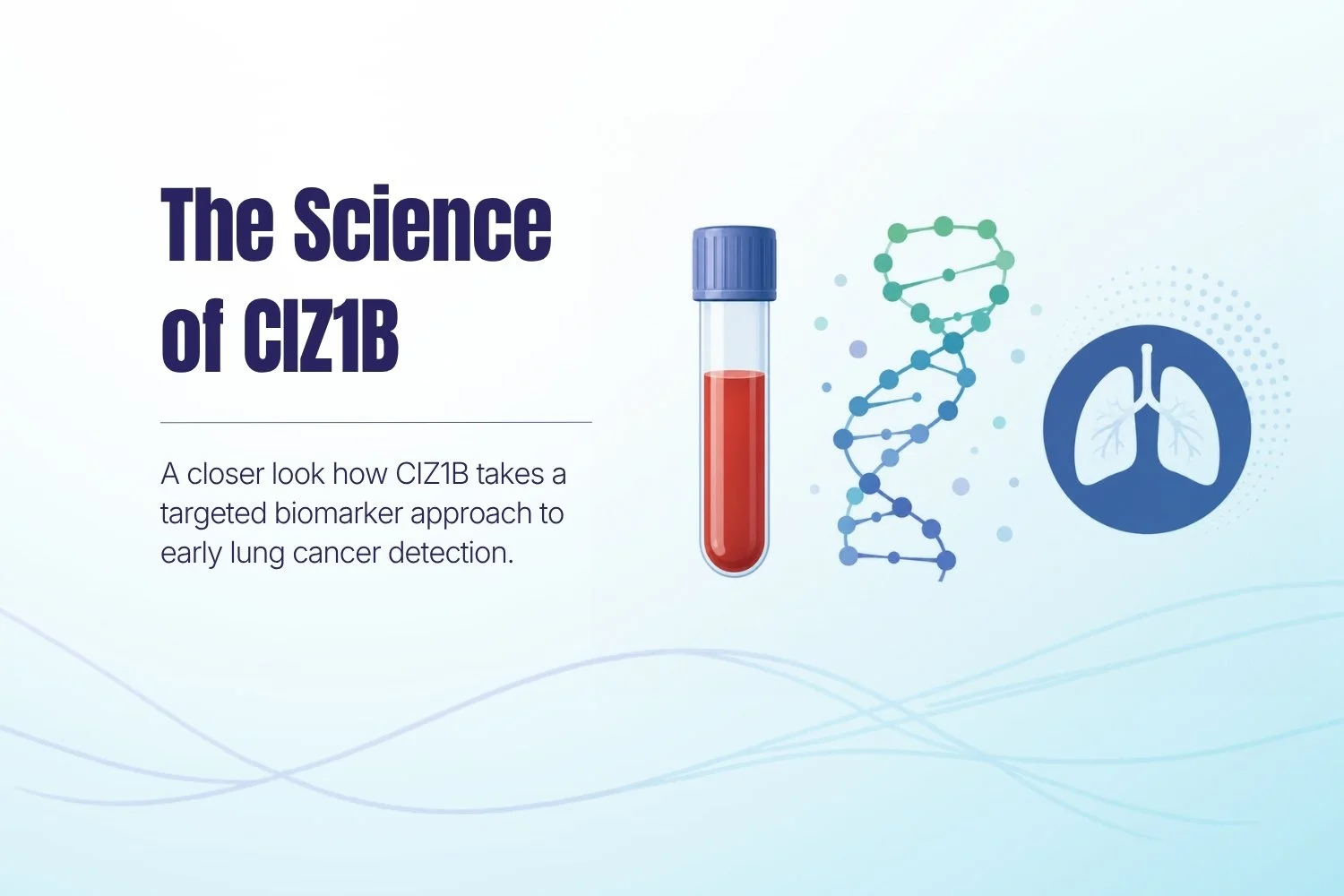
Our CIZ1B biomarker blood test is designed to support earlier detection through a simple blood draw. With 95% sensitivity and 96% negative predictive value (NPV) for Stage I detection, this innovative test complements imaging and standard diagnostic pathways to, reduce ambiguity and support clinical decision-making.
Cizzle Bio’s CIZ1B biomarker blood test, coming soon to U.S. healthcare providers, reflects our commitment to advancing earlier detection tools that can find cancer earlier, when treatment is most effective.
Because when it comes to lung cancer, early detection makes all the difference.
For more information about Cizzle Bio’s groundbreaking CIZ1B biomarker blood test for early detection of lung cancer, please visit: www.cizzlebio.com
Source
American Society of Clinical Oncology (ASCO):







Learn how biomarker blood testing may complement imaging and clinical evaluation when assessing pulmonary nodules—and what clinicians should know about the CIZ1B test.