
A Mother’s Legacy, a Daughter’s Voice—Priscilla’s Triumph Over Stomach Cancer
Priscilla Brittine was only 14 years old when she first learned how devastating stomach cancer can be—and how easily its warning signs can be missed.
She watched her mother grow weaker over time with nausea that wouldn’t go away, constant vomiting, and deep stomach pain that doctors repeatedly brushed off as acid reflux. Appointment after appointment, her concerns were minimized and reassured away with medications that never addressed the real problem. When the truth finally surfaced, it was devastating—aggressive and advanced stomach cancer. Just eight months later, Priscilla’s mother was gone at only 42 years old.
Two years later, stomach cancer claimed another life in Priscilla’s family when her uncle, only 36 years old, passed away just weeks after his diagnosis. Even as a teenager, Priscilla understood something most people don’t learn until much later—stomach cancer is often missed, dismissed, or found too late. That awareness stayed with her as she grew up, married, and became a mother to three boys. “I knew I had to be cautious for the rest of my life,” she says.
For years, Priscilla did everything she could to stay proactive about her health. But it wasn’t until 2018, when she reconnected with her mother’s side of the family, that the full picture came into focus. She learned the staggering news that multiple relatives she had never met had also died from stomach cancer due to a known, hereditary genetic mutation linked to a high risk of stomach cancer. At age 30, Priscilla underwent genetic testing and was stunned to learn she tested positive for a CDH1 genetic mutation, associated with a high lifetime risk of stomach cancer and an increased risk of breast cancer. “I was shocked,” she says. “I didn’t expect it to be positive, and I didn’t know what my future was going to look like at that point.”
At the time, Priscilla felt healthy and had no symptoms. An endoscopy with biopsies showed no signs of cancer. Still, her doctors explained that with CDH1, cancer can develop quietly and be difficult to detect. “I felt like a ticking time bomb,” she says. “Not if it would happen, but when.” After months of agonizing conversations, Priscilla made one of the hardest decisions of her life—she would undergo a prophylactic total gastrectomy (stomach removal) to reduce her cancer risk. “I kept thinking about my three boys,” she says. “I watched my mom suffer, and I couldn’t imagine my kids watching me go through that.”
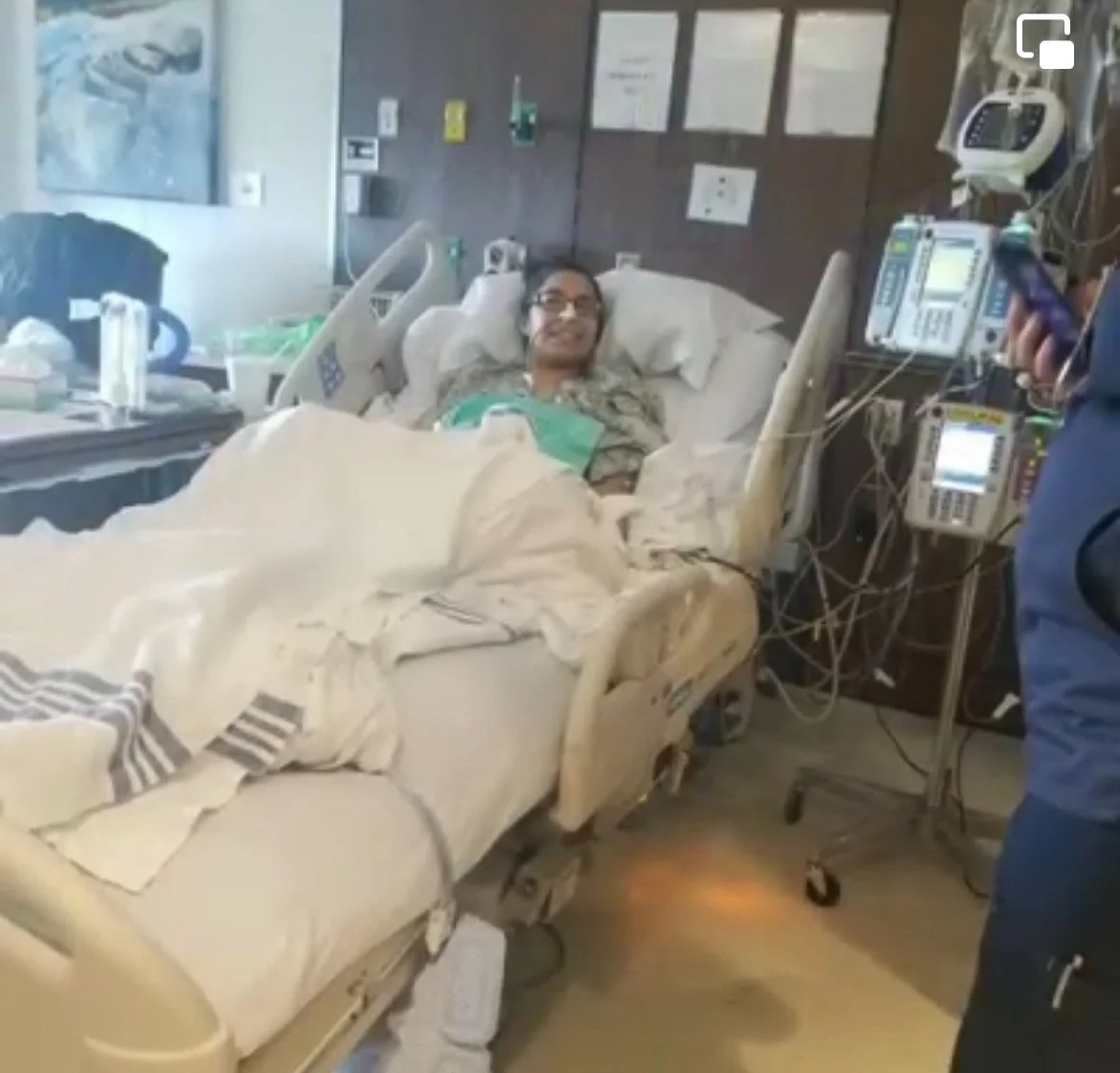
In 2019, Priscilla had the surgery followed by a long and incredibly challenging recovery. She left the hospital with a feeding tube and spent months relearning how to nourish her body. She also lost significant weight and battled nausea, fatigue, and repeated hospital visits, enduring a full year before she was strong enough to return to work as a respiratory therapist at the same hospital where she was treated.
Then came the phone call that changed everything. Pathology results from stomach biopsies taken during her surgery showed early-stage stomach cancer that had gone undetected by previous endoscopic biopsies. “I just cried,” she says. “It was terrifying, but it also confirmed that I made the right decision.”
For Priscilla, that moment underscored one of the greatest challenges in stomach cancer—early disease can be easy to miss, even with invasive procedures. Biopsies depend on sampling the right area at the right time, and sometimes cancer hides just out of reach. That reality is why Priscilla believes so deeply in the need for better early detection tools. “If there had been a simple and accurate blood test for my mom, she might still be here.”
Today, she sees hope in innovations like Cizzle Bio’s DEX-G2, a biomarker blood test designed to detect stomach cancer earlier, when treatment is most effective. This highly accurate, minimally invasive blood test offers a more accessible way to identify people who may need further evaluation, especially those at high risk for stomach cancer due to genetics or family history. “It’s reassuring that by the time my boys are tested for the CDH1 mutation, there can be an easier tool that finds cancer earlier, before it takes so much away,” she adds.
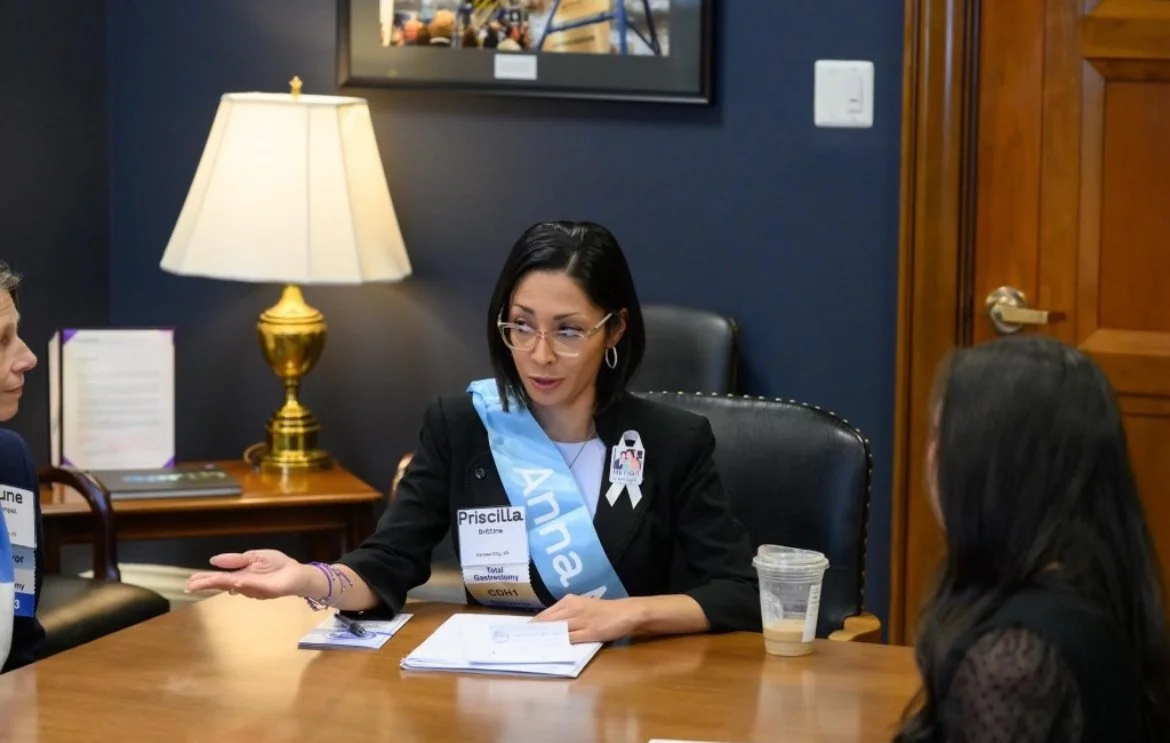
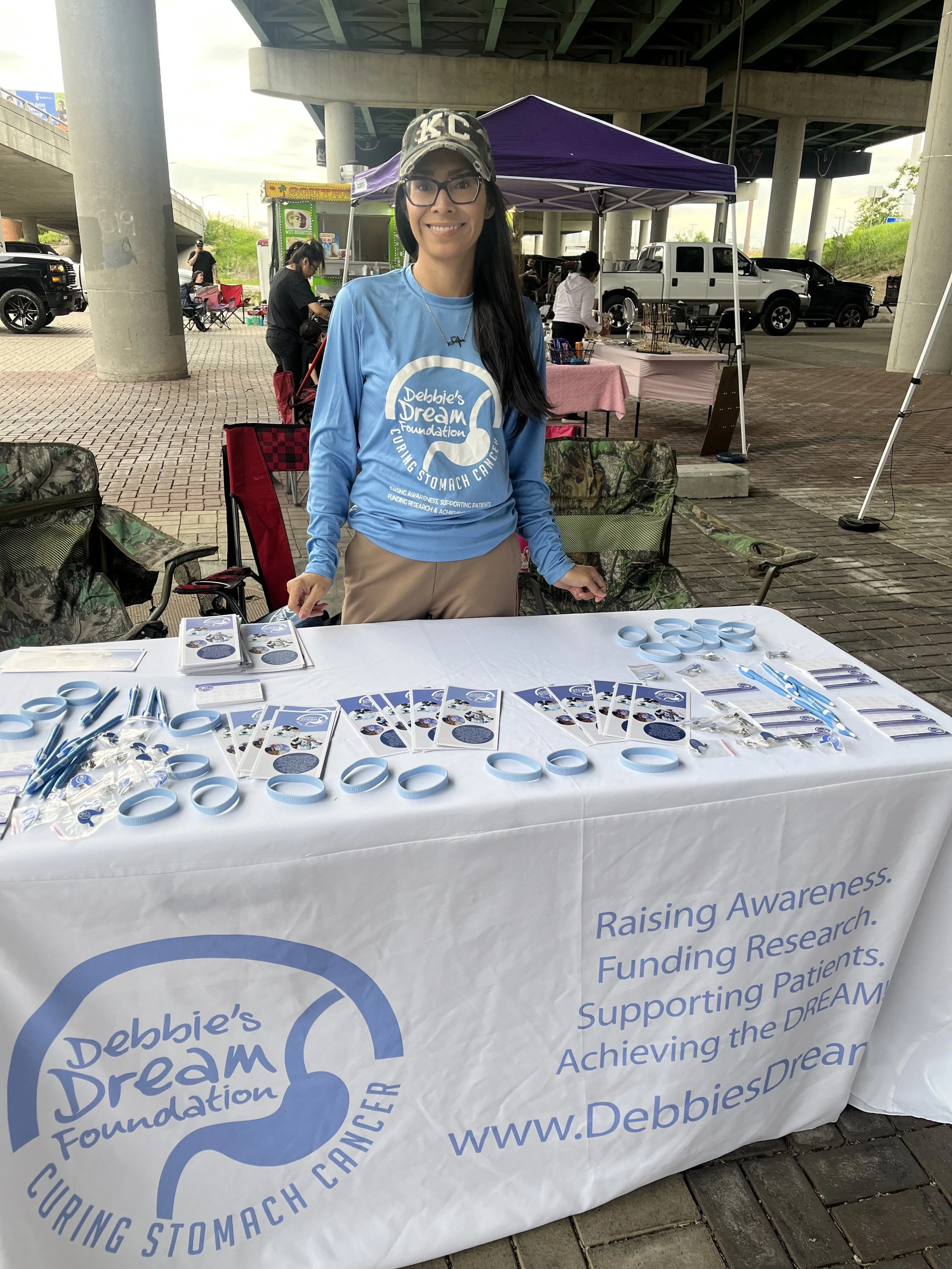

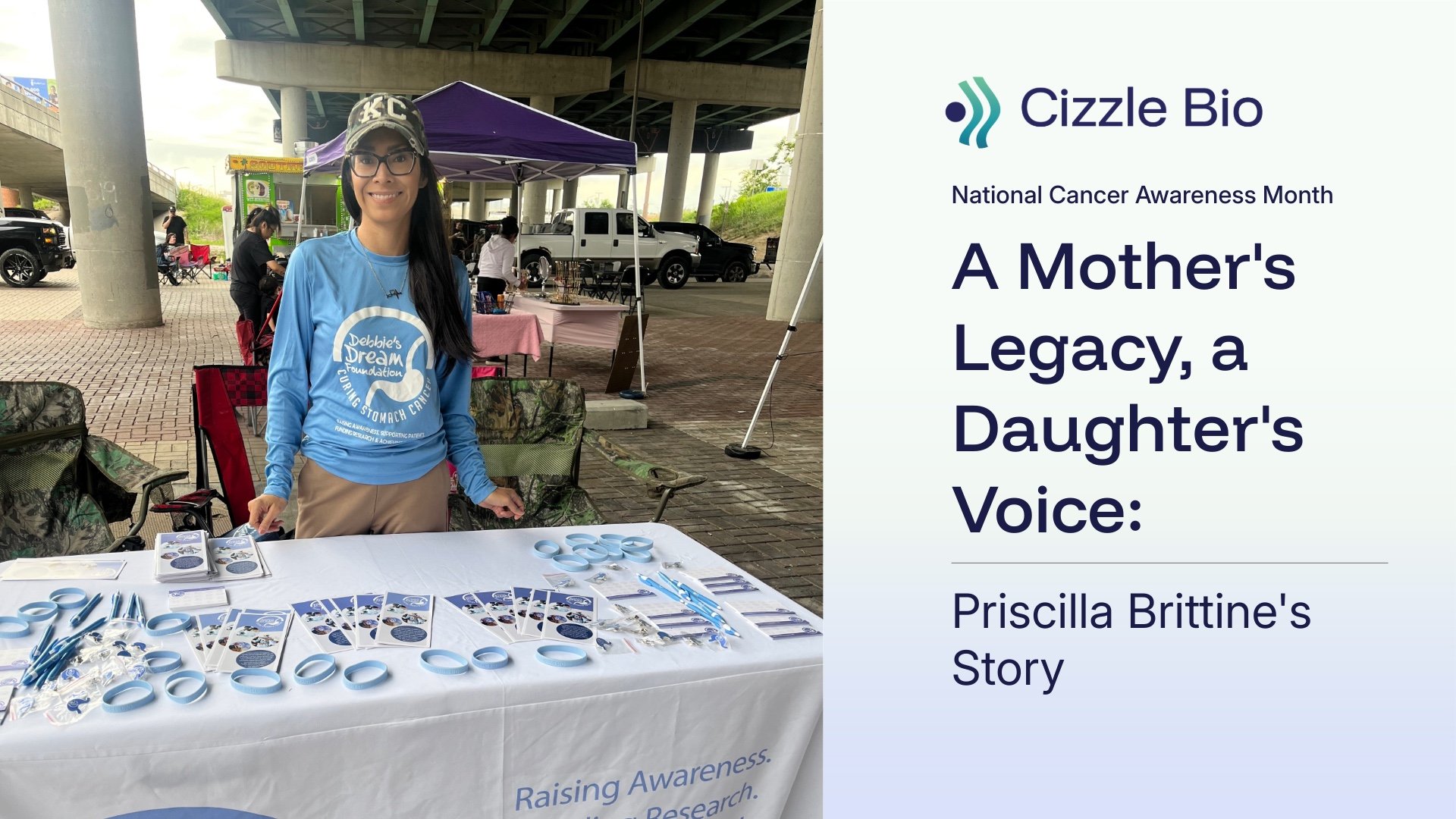
Now cancer-free, Priscilla has transformed her experience into purpose. She is an active advocate with Debbie’s Dream Foundation, an international organization dedicated to stomach cancer awareness, research, and patient support. Priscilla regularly participates in awareness efforts and travels to Capitol Hill annually to speak with lawmakers about the urgent need for stomach cancer research and funding. She also mentors patients one-on-one, often visiting those who are struggling after gastrectomy. “When I walk into their room, they see someone who survived,” she says. “That gives them hope.” Her advocacy is also deeply personal. “God gave me life,” Priscilla says, “and I’m going to use my voice.”
Her survivor journey is still challenging because living without a stomach requires lifelong nutritional monitoring, supplements, and ongoing procedures. There have also been emotional challenges, including moments when the physical changes felt overwhelming and led her to seek counseling—something she encourages other survivors to do if they need additional support. “One day, I finally accepted my new body,” she says. “That’s when I really started healing.”
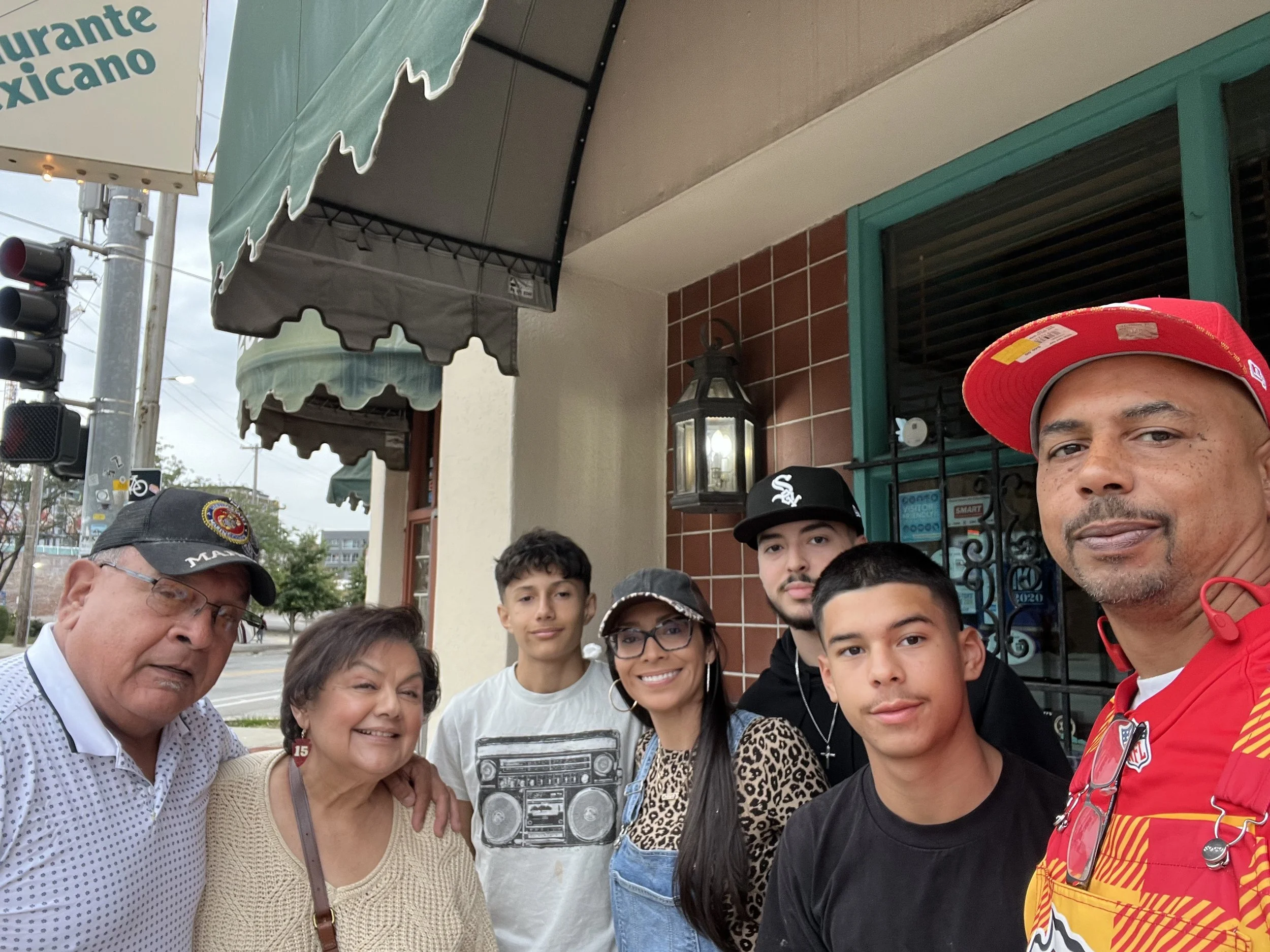



Today, Priscilla’s purpose is clear—to be here for her children, to support others facing stomach cancer, and to advocate for a future where this disease is found earlier, when treatment options are better and lives can be saved. “Early detection means everything,” she says. “It means being here for my boys, now 20, 15, and 14. Watching them grow and knowing I get to be a part of their lives is what carried me through the hardest moments of my recovery.”
Priscilla’s story is a powerful reminder of why early detection matters in real lives, real families, and futures worth protecting. To learn more about Cizzle Bio’s DEX-G2 biomarker blood test for early detection of stomach cancer, please visit: www.cizzlebio.com





Lung cancer is the leading cause of cancer-related deaths, but early detection can make a meaningful difference. This article explains who may qualify for lung cancer screening, which risk factors to discuss with a healthcare provider, and how Cizzle Bio’s CIZ1B biomarker blood test may help support earlier detection alongside existing screening tools.