
Understanding Stomach Cancer—Know Your Risk
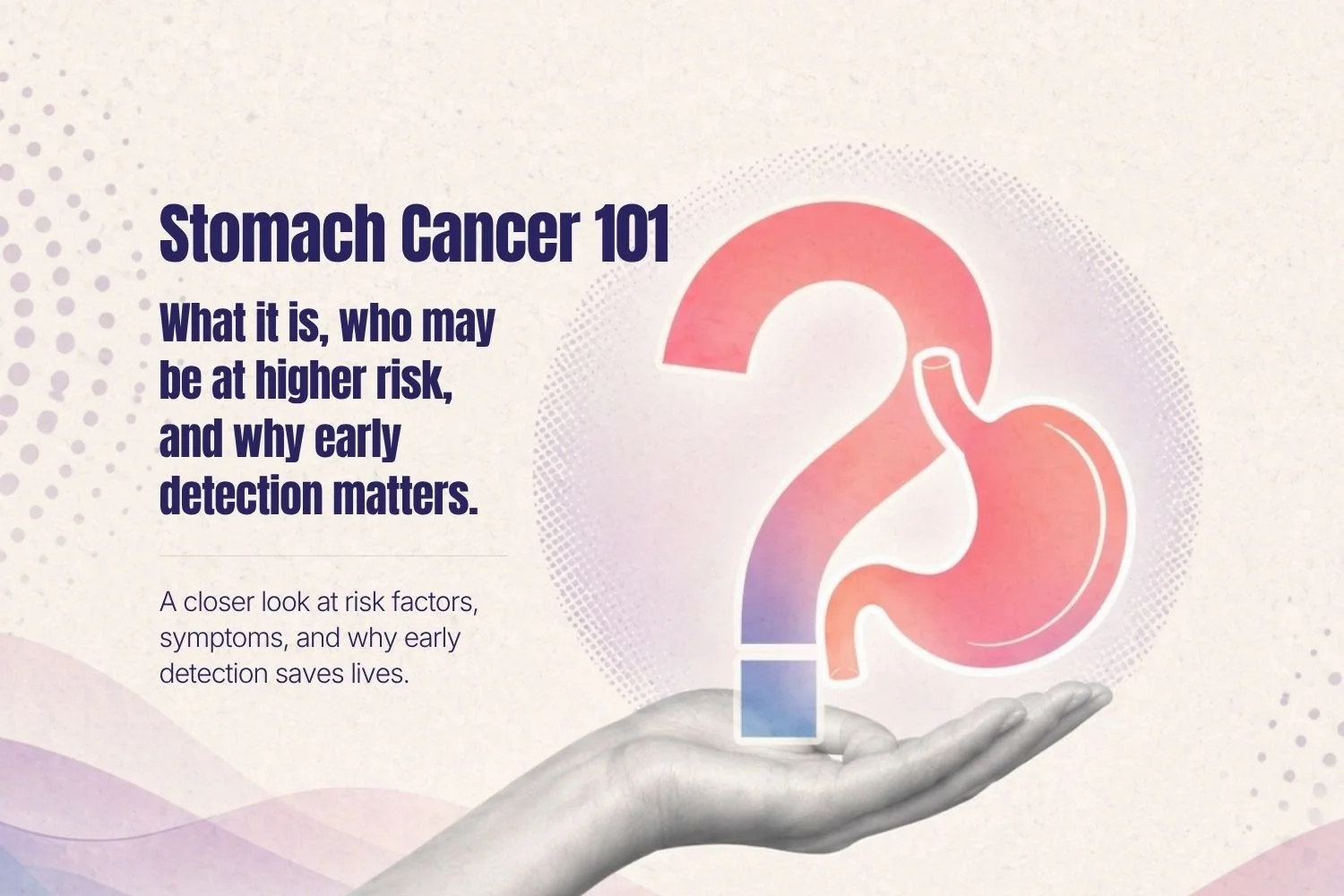
Stomach cancer, also called gastric cancer, is a serious global threat—it ranks as the third deadliest cancer in the world. The good news? Early detection can make all the difference in improving survival rates.
Knowing your risks, watching out for warning signs, and asking your doctor about advanced early detection tools like Cizzle Bio’s DEX-G2 biomarker blood test can help catch this disease sooner—when treatment is most effective.
What Increases the Risk of Stomach Cancer?

Several factors can raise the chances of developing stomach cancer:
Eating a lot of salty, smoked, or pickled foods while not getting enough fruits and vegetables can increase risk.
Tobacco and alcohol. Both are linked to higher stomach cancer rates.
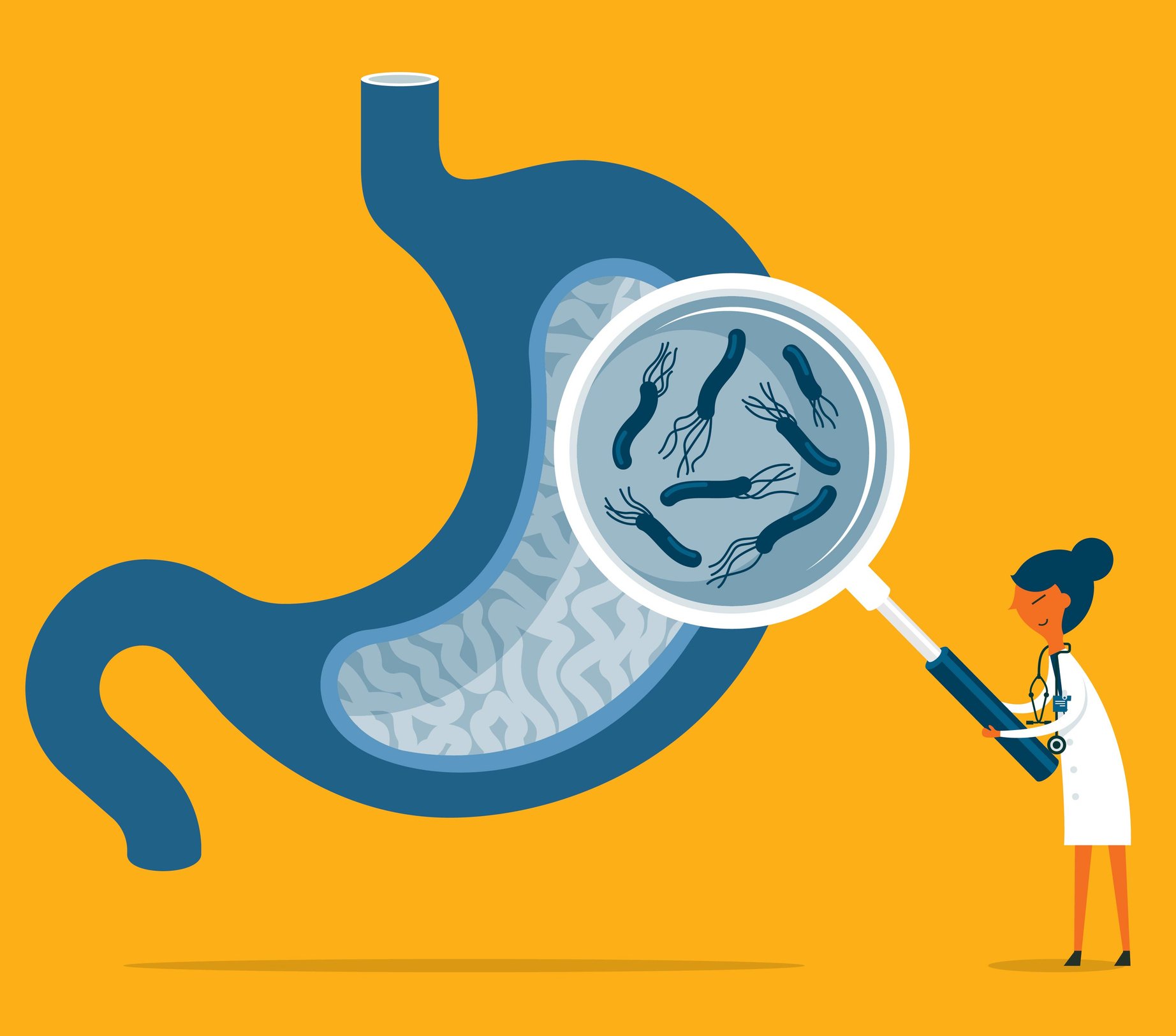
Helicobacter pylori (H. pylori). This common bacterial infection often starts in childhood and can cause long-term stomach inflammation leading to cancer if untreated.
Family history. If close relatives (parents, siblings, grandparents, aunts/uncles) were diagnosed with stomach, breast, or gastrointestinal cancers before ag 50, you have a higher risk.
Other infection. In rare cases, the Epstein-Barr virus has been connected to stomach cancer.
Symptoms that Shouldn’t Be Ignored

The challenge with gastric cancer is that early symptoms can seem like everyday indigestion. But persistent issues deserve attention.
Watch for:
Ongoing discomfort or burning pain in the upper stomach, especially between meals or at night
Pain that improves only with antacids
Unexplained weight loss
Bleeding (such as blood in vomit or stool)
Because these symptoms are easy to dismiss, many cases aren’t caught until the cancer had spread to other parts of the body. Listening to your body and sharing changes with your healthcare provider are very important.
Why Early Detection Matters

When gastric cancer is found before it spreads to other parts of the body, the chances of living at least five years after diagnosis can be as high as 75%. If the cancer has already spread beyond the stomach, survival drops to about 7%.
That’s why spotting the disease sooner is so critical. Early diagnosis means more treatment options and better outcomes.
How DEX-G2 Helps Detect Gastric Cancer Earlier
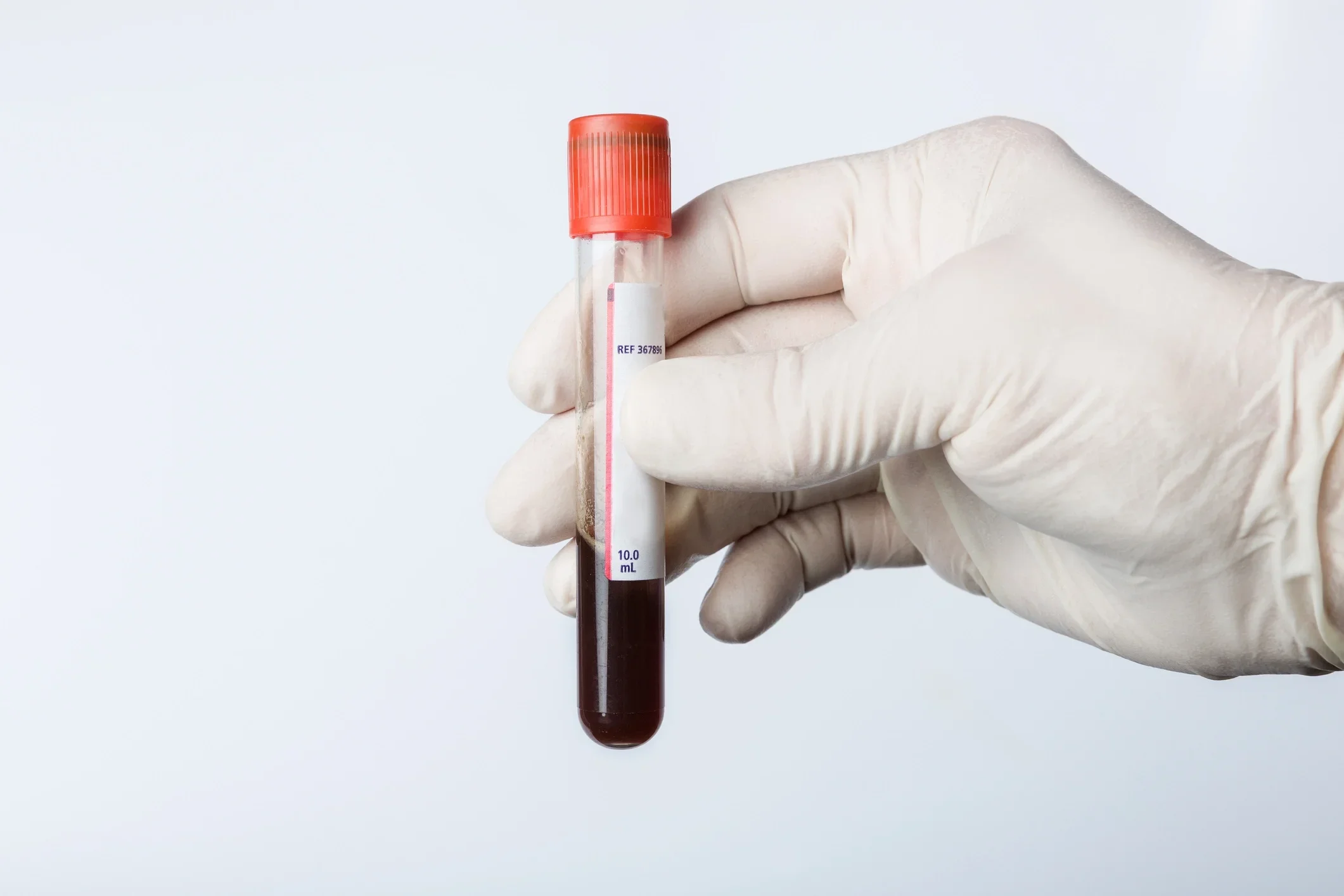
Traditional stomach cancer testing, liked endoscopy, is invasive and not always accessible. DEX-G2 is a simple biomarker blood test designed to detect stomach cancer in its earliest stages.
By catching stomach cancer earlier, DEX-G2 has the potential to:
Help doctors begin treatment sooner
Improve survival rates
Reduce the need for invasive procedures
Make early detection more accessible to patients everywhere
Taking Action for Your Health

If you have risk factors, a family history of stomach cancer, or ongoing stomach-related symptoms, don’t wait. Talk to your doctor about your concerns. Testing for H. pylori, discussing your family history, and asking about innovative early detection options like the DEX-G2 biomarker blood test can help to make sure stomach cancer is caught early—when it’s most treatable.
At Cizzle Bio, we believe in a future where early detection is the standard of care. Because early detection saves lives.
Sources
MEDPAGETODAY, 2025 - For Your Patients: Zeroing in on the Risk Factors for Stomach Cancer
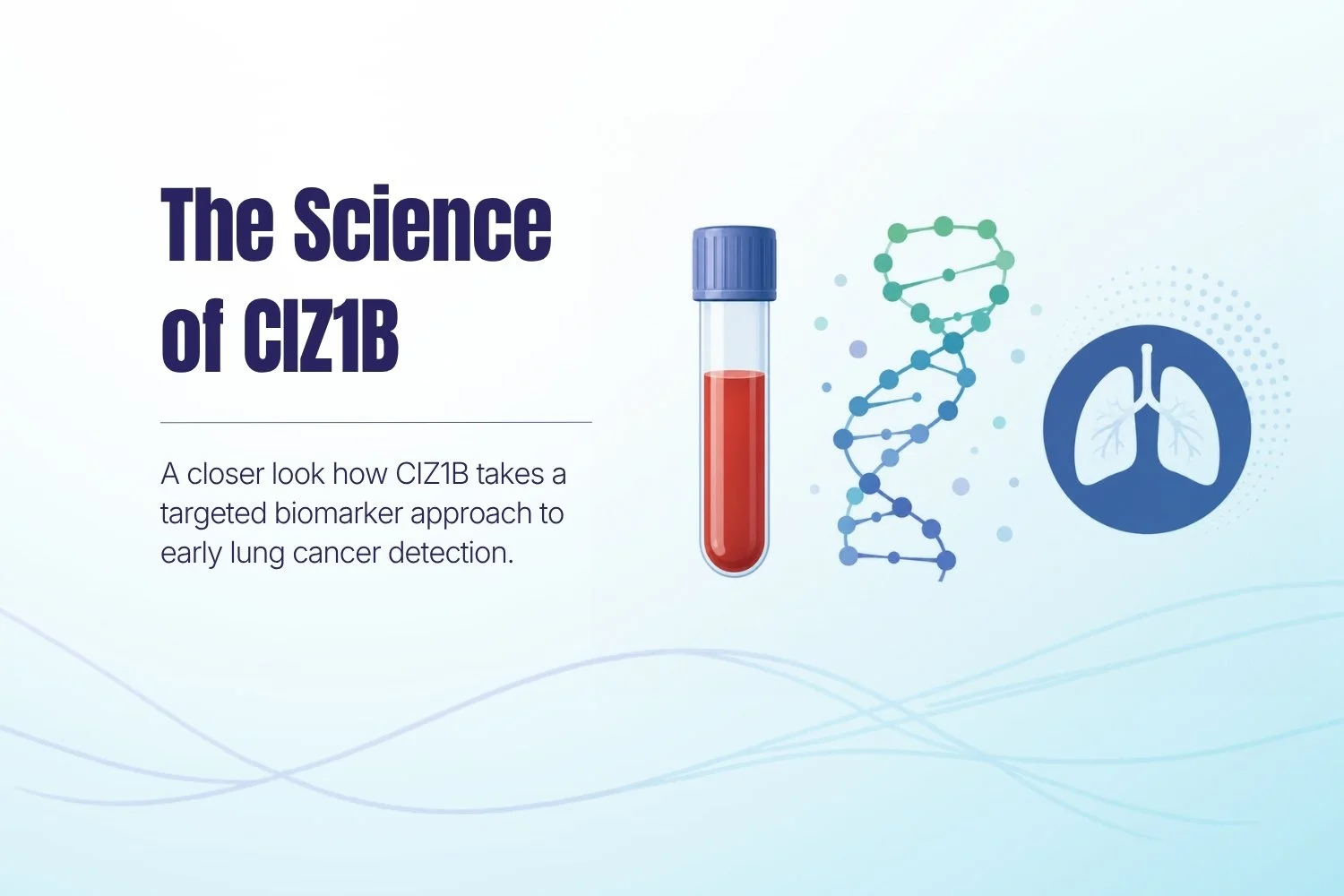

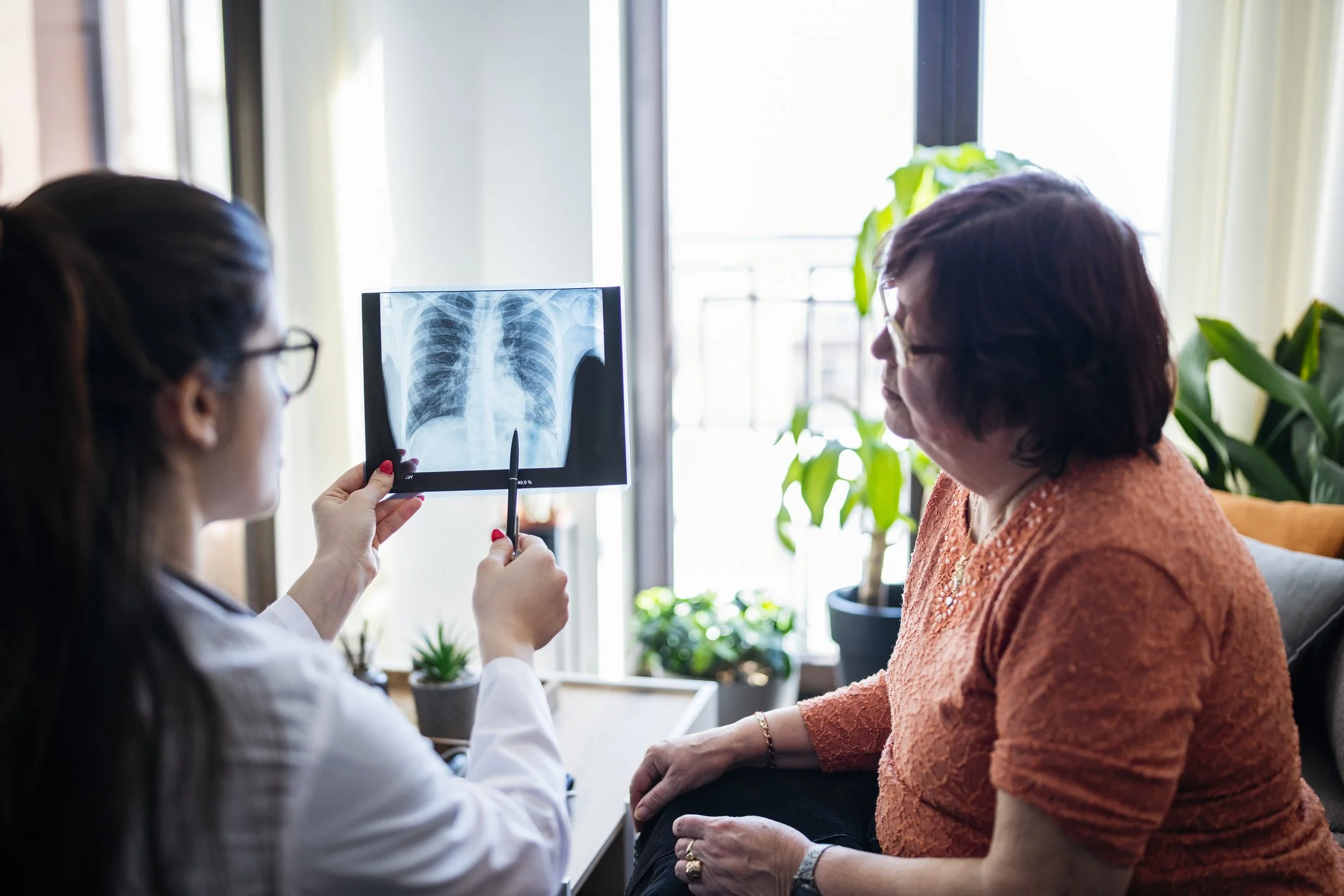








Lung cancer is the leading cause of cancer-related deaths, but early detection can make a meaningful difference. This article explains who may qualify for lung cancer screening, which risk factors to discuss with a healthcare provider, and how Cizzle Bio’s CIZ1B biomarker blood test may help support earlier detection alongside existing screening tools.