
Lung Cancer 101: Risk Factors, Symptoms, and Why Screening Saves Lives
What is lung cancer?
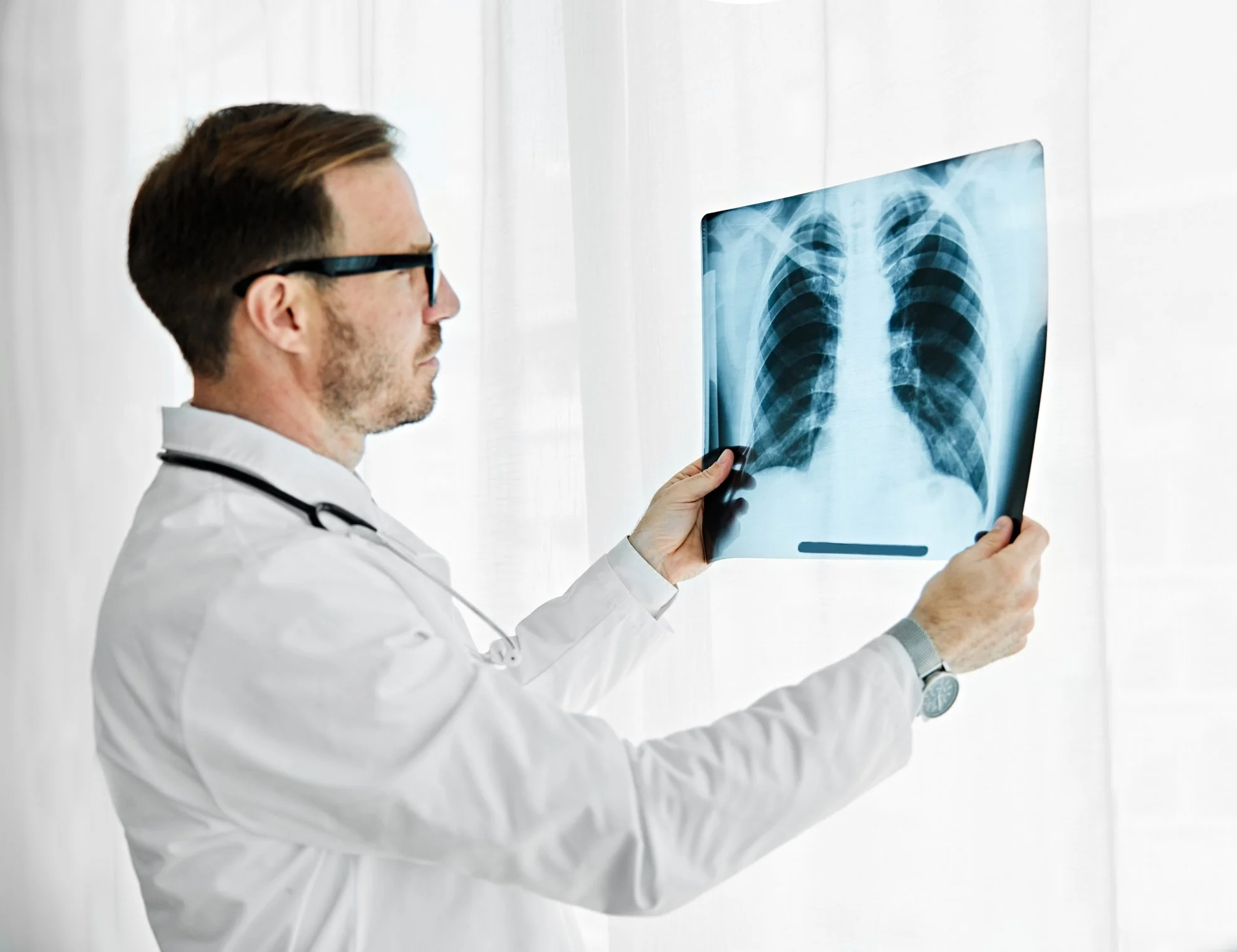
Lung cancer begins when abnormal cells in the lungs grow out of control. Over time, these cells can form tumors and affect how well the lungs work. One of the biggest challenges with lung cancer is that it often does not cause clear symptoms in its earliest stages. As a result, it is often found later, when treatment can be more difficult. That’s why awareness and early detection are so important.
Who may be at higher risk?

Smoking is the leading risk factor for lung cancer. Risk also increases with age and with long-term tobacco exposure. The U.S. Preventive Services Task Force identifies smoking and older age as the two most important risk factors. The CDC also points to other possible causes, including radon, secondhand smoke, asbestos, and other harmful substances in the air or workplace.
This includes occupational exposure, which means coming into contact at work with harmful materials such as asbestos, diesel exhaust, or other cancer-causing chemicals over time.
Some groups face a higher risk than others, especially smokers, older adults, and people with occupational exposure to harmful substances. Lung cancer can also affect people who have never smoked, which is why risk should not be viewed only through the lens of smoking history.
Symptoms to pay attention to

Lung cancer does not always cause symptoms early on. When symptoms do appear, they can sometimes look like other common breathing problems. Signs to watch for include:
A cough that does not go away or gets worse
Coughing up blood
Chest pain
Shortness of breath or wheezing
Hoarseness
Ongoing fatigue
Unexplained weight loss
Repeated infections such as bronchitis or pneumonia
These symptoms do not always mean lung cancer, but they should not be ignored. If they continue or get worse, it’s important to speak with a healthcare provider.
Why early detection matters

Lung cancer is the leading cause of cancer death in the United States. One reason is because it is often diagnosed at a later stage. When lung cancer is found early, treatment is often more effective and outcomes can be better.
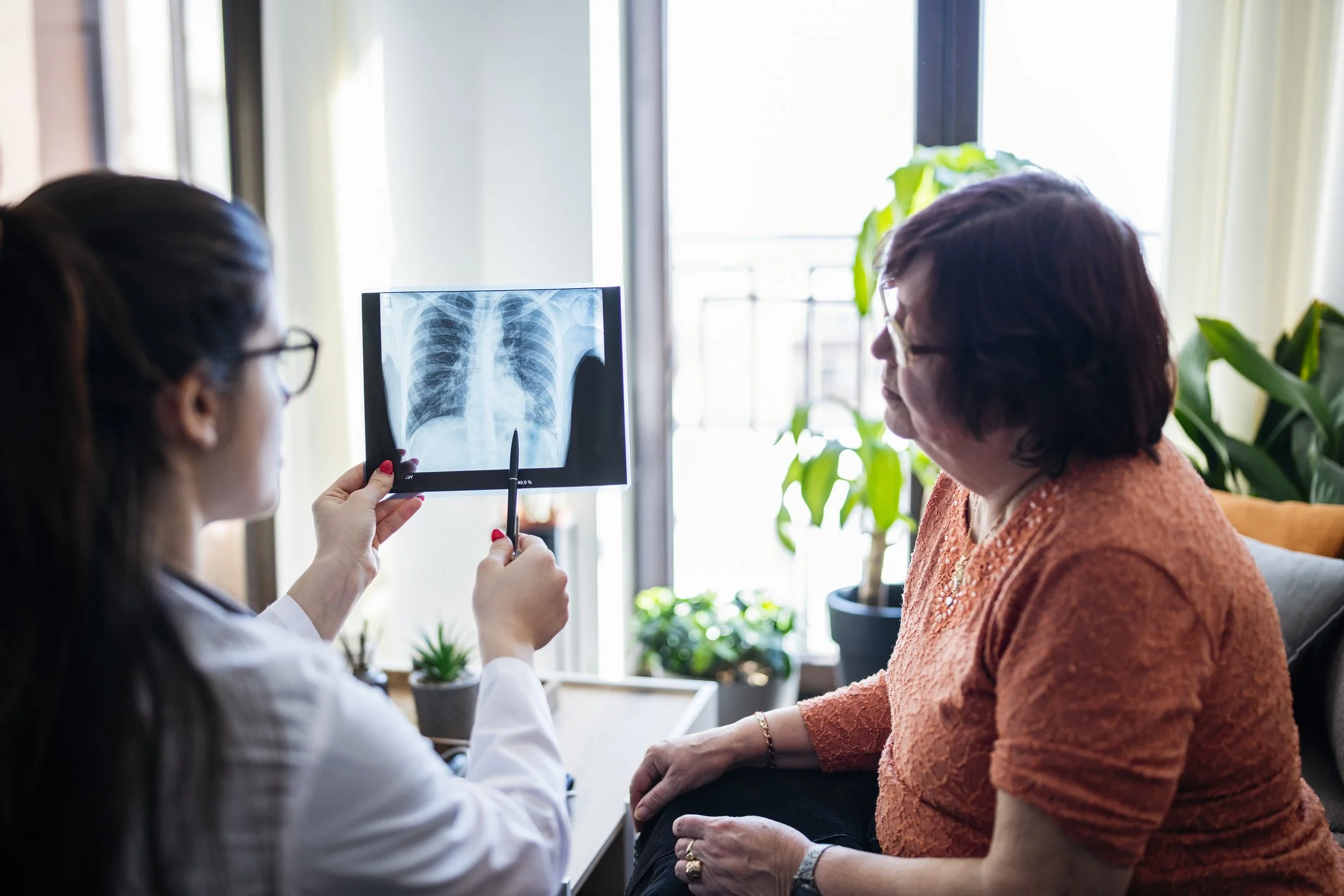
Research has shown that screening can help save lives in people at high risk. The National Lung Screening Trial found that low-dose CT (LDCT) screening reduced deaths from lung cancer compared with chest X-ray screening. This confirms the value of finding lung cancer before symptoms begin.
What is lung cancer screening?
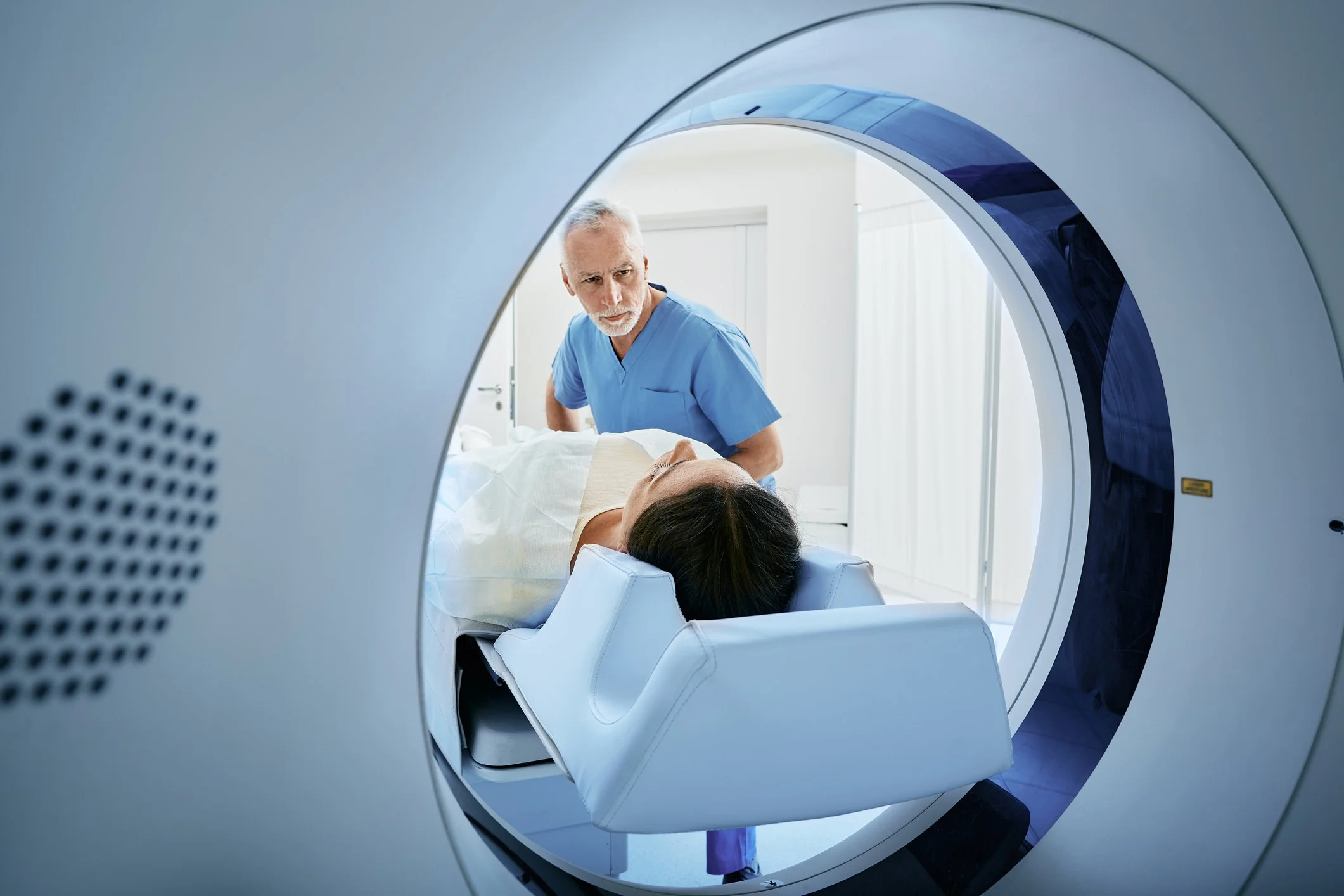
The recommended screening test for lung cancer is low-dose computed tomography, also called LDCT. This is a special scan used to look for signs of lung cancer before symptoms appear.
The U.S. Preventive Services Task Force recommends yearly LDCT screening for adults ages 50 to 80 who have at least a 20 pack-year smoking history and who currently smoke or have quit within the past 15 years.
For people at high risk, regular screening can play an important role in finding lung cancer earlier, before symptoms begin. Screening should stop once a person has not smoked for 15 years or has a serious health condition that limits life expectancy or the ability or willingness to have curative lung surgery. For people who may qualify, you should talk with your doctor about whether screening is right for you.
Why better early detection tools matter
Even with screening guidelines in place, many people who may qualify for lung cancer screening still do not get screened. This points to an ongoing need in lung cancer care—better awareness, better access, and better tools that support earlier action.
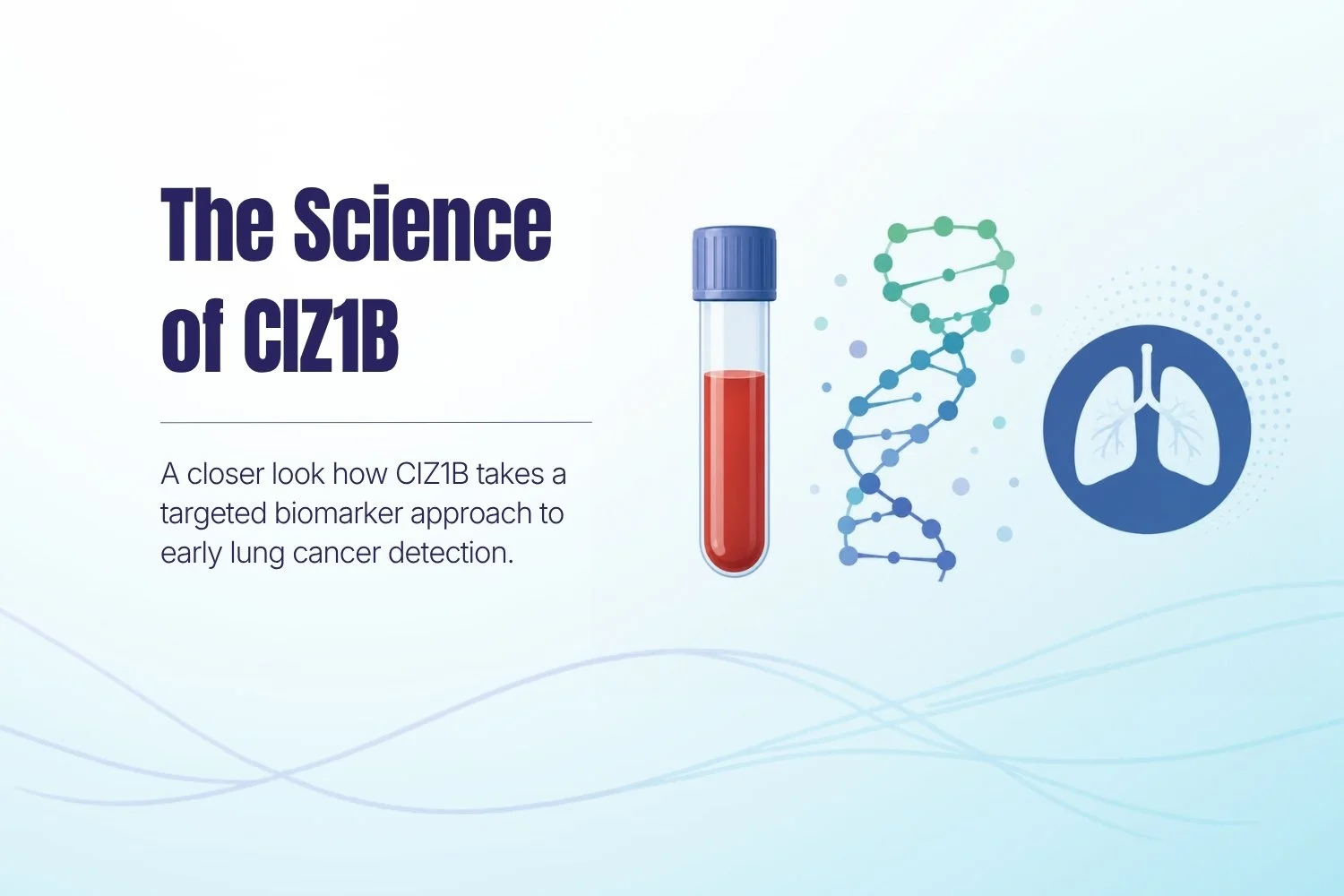
At Cizzle Bio, we are advancing CIZ1B, a minimally invasive biomarker blood test designed to support the early detection of lung cancer. Our goal is to help address one of the biggest challenges in lung cancer care—finding the disease earlier, when treatment can be more effective.
As cancer care continues to be more proactive, biomarker blood tests are becoming an important part of the early detection landscape. CIZ1B is designed to complement, not replace, LDCT and support early clinical decision-making. With 95% sensitivity and 96% negative predictive value (NPV) for Stage I disease, it is an accurate, evidence-based tool that can support better outcomes over time.
The bottom line

Knowing the basics of lung cancer can help you take action sooner. Understanding your risk factors, paying attention to symptoms, and asking whether screening is right for you are important first steps. This is especially true for people at higher risk, including smokers, older adults, and those with occupational exposure to harmful substances. Early detection saves lives, and finding lung cancer earlier can give people more options, more clarity, and a better chance of starting treatment when it can be most effective.
Sources






Learn how biomarker blood testing may complement imaging and clinical evaluation when assessing pulmonary nodules—and what clinicians should know about the CIZ1B test.