
The Science Behind CIZ1B for Early Lung Cancer Detection
When it comes to lung cancer, timing is everything. The earlier the disease is found, the more options patients and doctors have—and the better the chances for successful treatment. But not all blood tests for cancer work the same way. Understanding the difference can help you make more informed decisions about your health.
A Different Kind of Signal

Many new cancer blood tests—often called multi-cancer early detection (MCED) tests—look for tiny fragments of DNA from tumors circulating in the bloodstream. The challenge? In early-stage cancer, there often just isn’t much of that DNA to find. That means these tests can miss cancer when it’s most treatable.
The CIZ1B biomarker blood test takes a different approach.
Instead of searching for rare DNA fragments, CIZ1B looks for a specific protein signal that comes directly from lung cancer cells. Think of it like this—rather than trying to find a whisper in a crowded room, CIZ1B is designed to detect a clearer, stronger signal.
What Makes CIZ1B a True Biomarker?
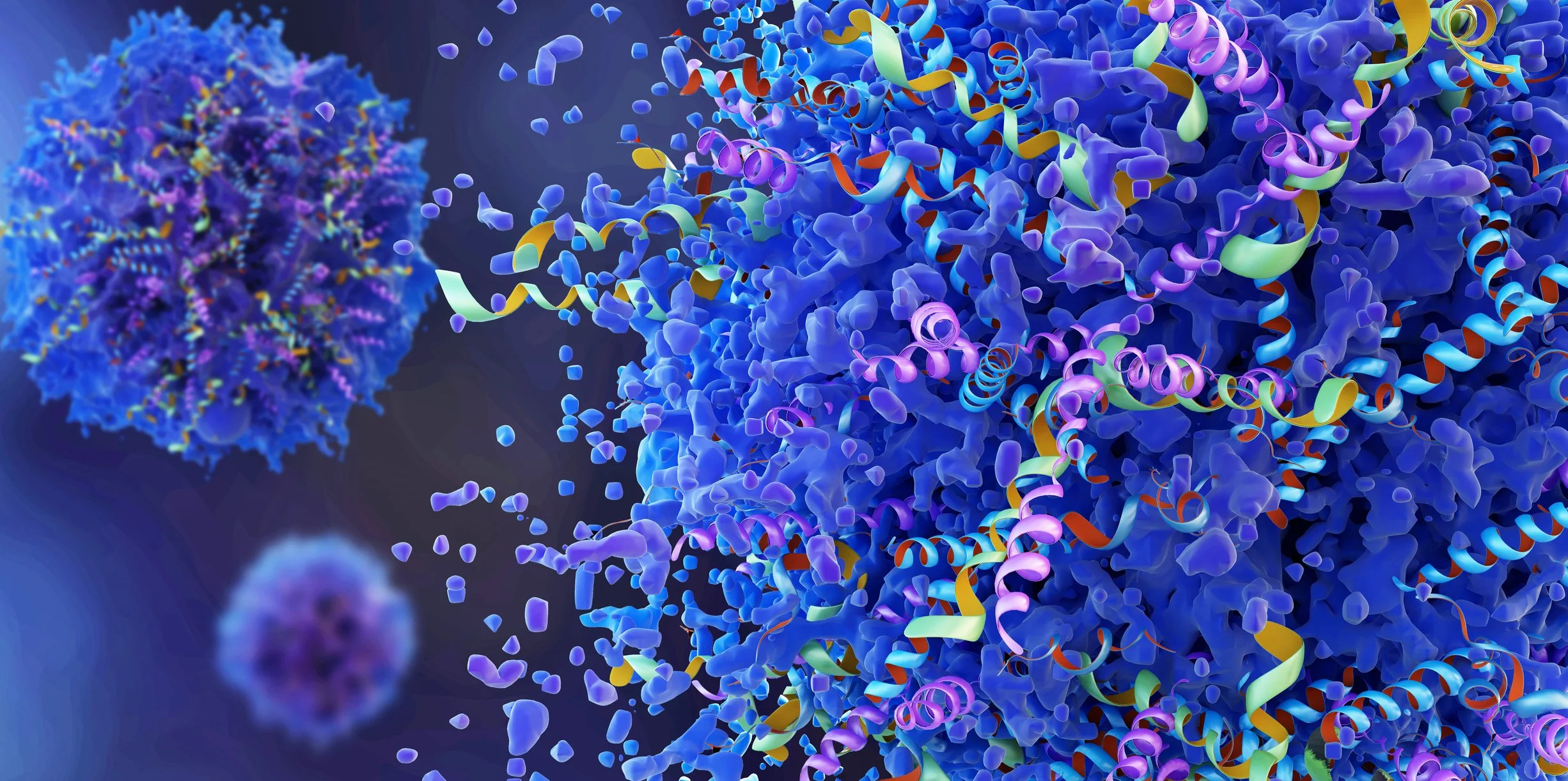
CIZ1B is what scientists call a true biomarker—a measurable signal that reflects the actual biology of cancer. It’s a unique protein variant produced by lung cancer cells themselves.
Here’s why that matters:
It’s actively produced by cancer cells, even in early stages
It builds up in the bloodstream, making it easier to detect
It reflects real tumor activity, not just byproducts of cell breakdown
Unlike DNA-based tests that rely on cancer cells dying and releasing fragments, CIZ1B is present while cancer cells are still alive and growing.
Built for Early Detection

One of the biggest challenges in cancer screening is finding disease before symptoms appear. Early tumors are small and often don’t release much DNA into the blood, which limits the effectiveness of MCED tests.
CIZ1B was designed with this challenge in mind.
Because the CIZ1B protein is:
More abundant and stable in blood
Protected and concentrated naturally in the body
Easier to measure with simple, proven technology
…it can be detected earlier—when it matters most.
Focused vs. Broad and Why It Matters

MCED tests aim to detect many different cancers at once. While that sounds helpful, it can come with trade-offs. Each cancer behaves differently, and trying to detect all of them with one method can reduce accuracy, especially for early-stage disease.
CIZ1B takes a more focused approach. It is:
Designed specifically for lung cancer
Optimized for early-stage detection
Aligned with existing screening tools like low-dose CT (LDCT)
This targeted strategy helps deliver more reliable, actionable results.
A Complement to Standard Screening

It’s important to note that CIZ1B isn’t meant to replace standard screening like LDCT scans—it’s designed to work alongside them. Together, they can provide a more complete picture and help identify cancer earlier.
Looking Ahead

CIZ1B represents a new way of thinking about cancer detection—one that focuses on clear, biologically meaningful signals instead of rare, hard-to-find fragments.
For patients, that means a simpler, minimally invasive blood test designed to detect lung cancer earlier, when treatment is most effective.
Because when it comes to lung cancer, finding it early can make a lifesaving difference.
For more information about CIZ1B, our revolutionary biomarker blood test coming soon to U.S. healthcare providers, please visit: www.cizzlebio.com


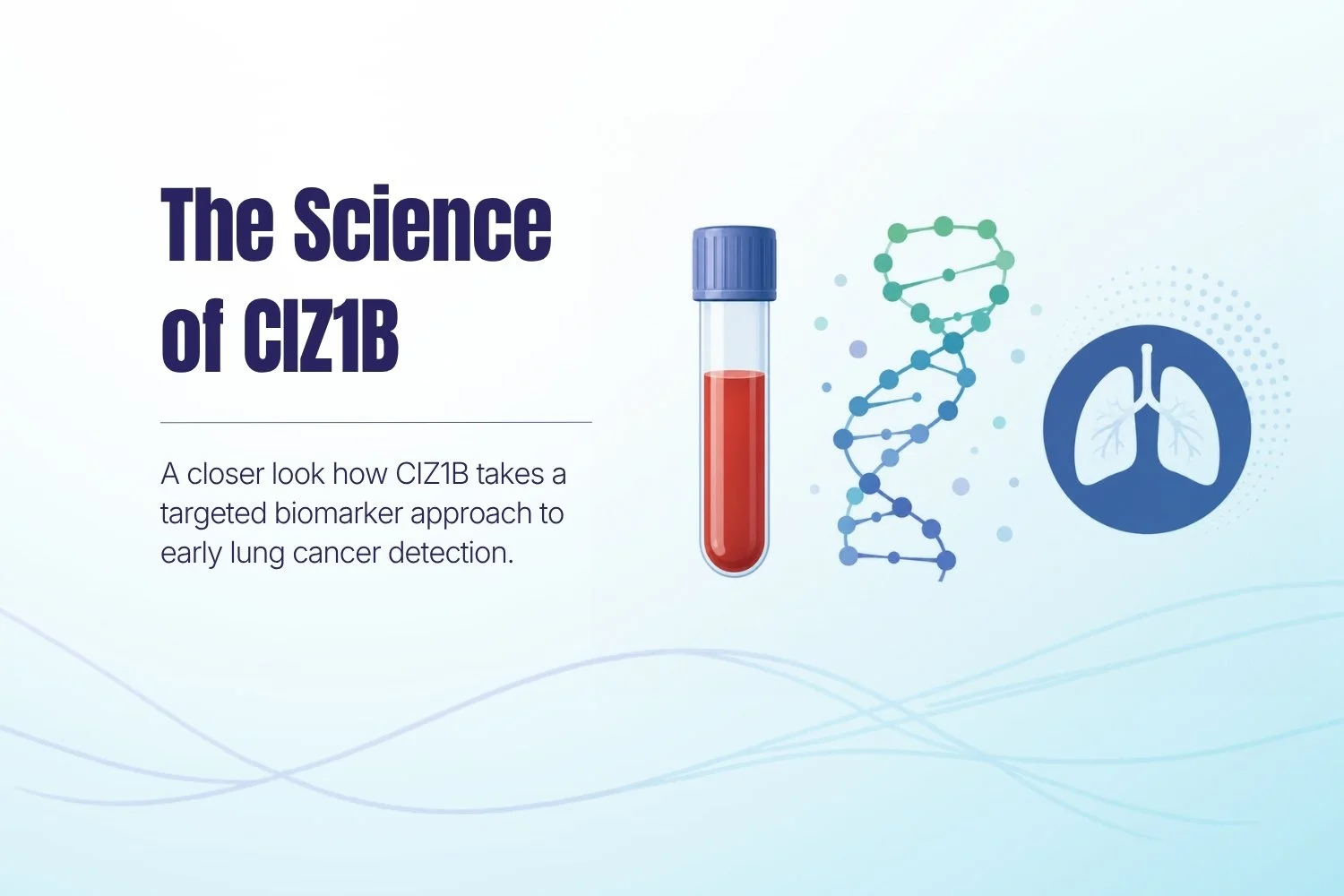





Learn how biomarker blood testing may complement imaging and clinical evaluation when assessing pulmonary nodules—and what clinicians should know about the CIZ1B test.